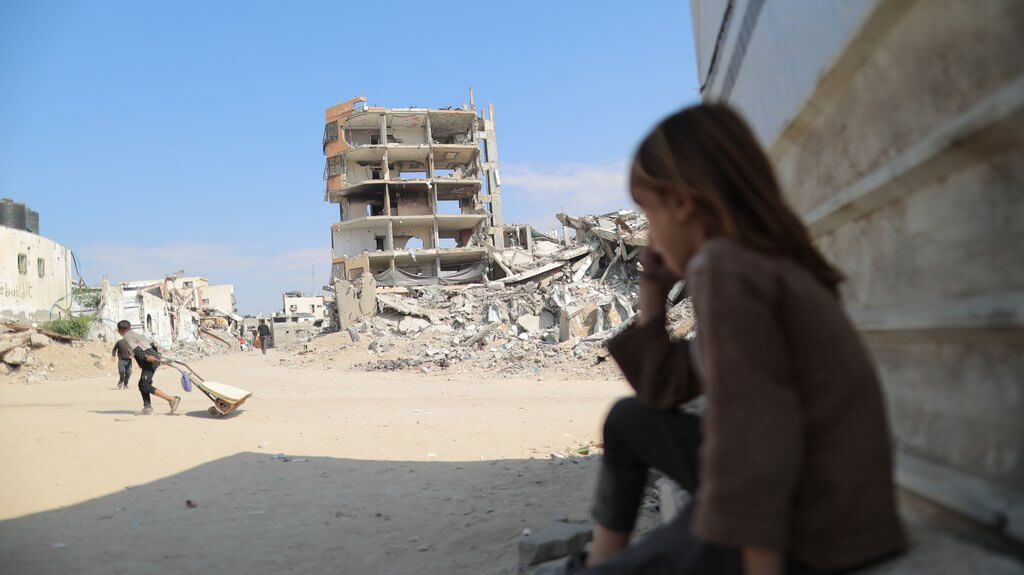
Three years after terrorist attacks in Israel on October 7, 2023 triggered a full-scale invasion of Gaza, a fragile ceasefire is in place, but women and girls in Gaza are still surviving dire conditions.
Thanks to supporters like you, UNFPA, the United Nations sexual and reproductive health agency, remains on the ground, reaching those who have spent years without care and safety. As the health system collapses, it is one of the last providers of reproductive and maternal care left standing.
“I thought I would have to give birth in a tent”
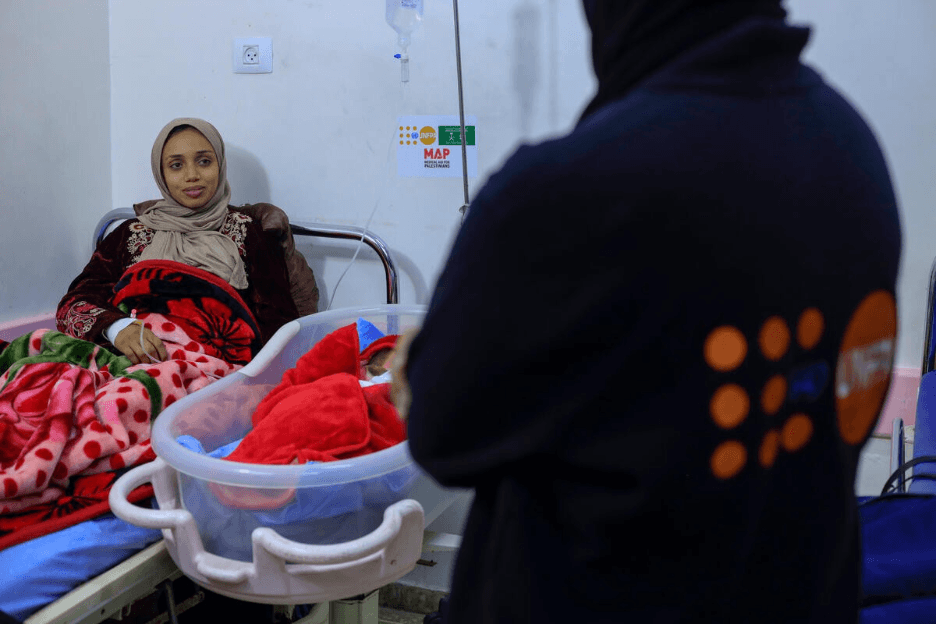
When Rana found out she was pregnant, she didn’t have the chance to feel joy and excitement. After three years of relentless attacks, she immediately felt fear—fear of not knowing if she would have a safe place to give birth, fear of not knowing if she and her child would even survive the delivery.
“I thought I would have to give birth in a tent,” she told us. “As my due date approached, I was terrified. I didn’t know how I could bring a child into this world under these conditions.”
With winter settling in, flooding and hypothermia became new things for Rana to worry about as well. Last winter, multiple babies and children in Gaza froze to death because the tents they resided in weren’t thick enough to stop the powerful winter winds and storms. Knowing all of the risks, Rana prepared for the worst.
But thanks to the support of this powerful community, when it came time for her to give birth, Rana didn’t have to endure the worst. Instead, she had the support and expert care she needed.
She gave birth at one of two recently rehabilitated UNFPA hospitals in Gaza City. Rana’s midwife, a tireless woman named Nabila who has worked at the hospital since before its rehabilitation, helped Rana navigate her labor. Upon leaving, she received a UNFPA Mama Kit stocked with newborn essentials—baby safe soap, new clothes, and warm blankets.
Afterward, Nabila shared how UNFPA’s rehabilitation of the hospital transformed her work and the outcomes for the women she treated.
“If a woman developed complications during childbirth, there was a real risk she wouldn’t survive. This support changed that. We were able to bring health workers back, cover their salaries, and replace equipment we had lost during the war.”
Thank you for helping us rehabilitate and support hospitals and clinics around the world that served as a lifeline for women like Rana.
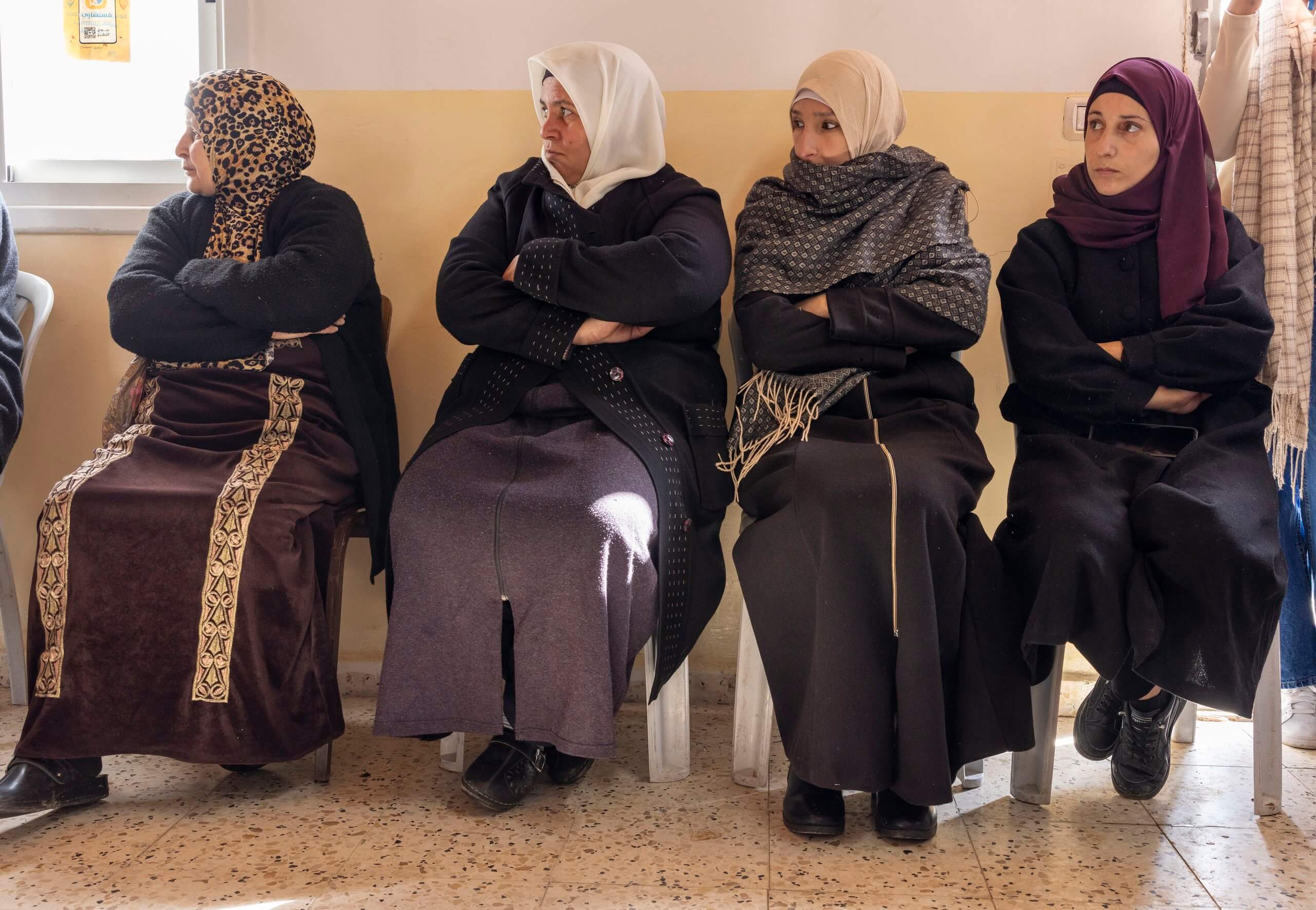
Three years of war have stripped most families of their homes and their incomes, and left hospitals, health centers, and schools in ruins. With most crossings closed and tight limits on what can come in—from medical supplies to infant formula to fuel—only a fraction of the aid that is needed actually reaches people.
For pregnant women, the danger is constant. Around 50,000 women in Gaza are pregnant, with up to 180 births every day, yet only about one-third of hospitals are partially functioning.
When beds run out, a new mother may be sent back to her tent only hours after a cesarean section or difficult birth, where infection and complications are likely to follow. The strain shows in the babies, too: roughly 70% now arrive too early or too small, and one pregnancy in three is high-risk.
The danger reaches well beyond the delivery room. In more than half of the communities UNFPA monitors, violence against women has climbed to high-severity levels. As families run out of ways to cope, more are marrying off their daughters young, and teen birth rates have more than doubled since before the war.
Families are being torn apart, too: an estimated 57,000 households are now headed by women left to get by with no steady income or support.
The seasons bring their own threats. Summer means stretching too little water through brutal heat; winter means wet nights in thin shelters and the cold that comes with them. Through every season, it is women, girls, and newborns who bear the highest cost.
What your support has reached
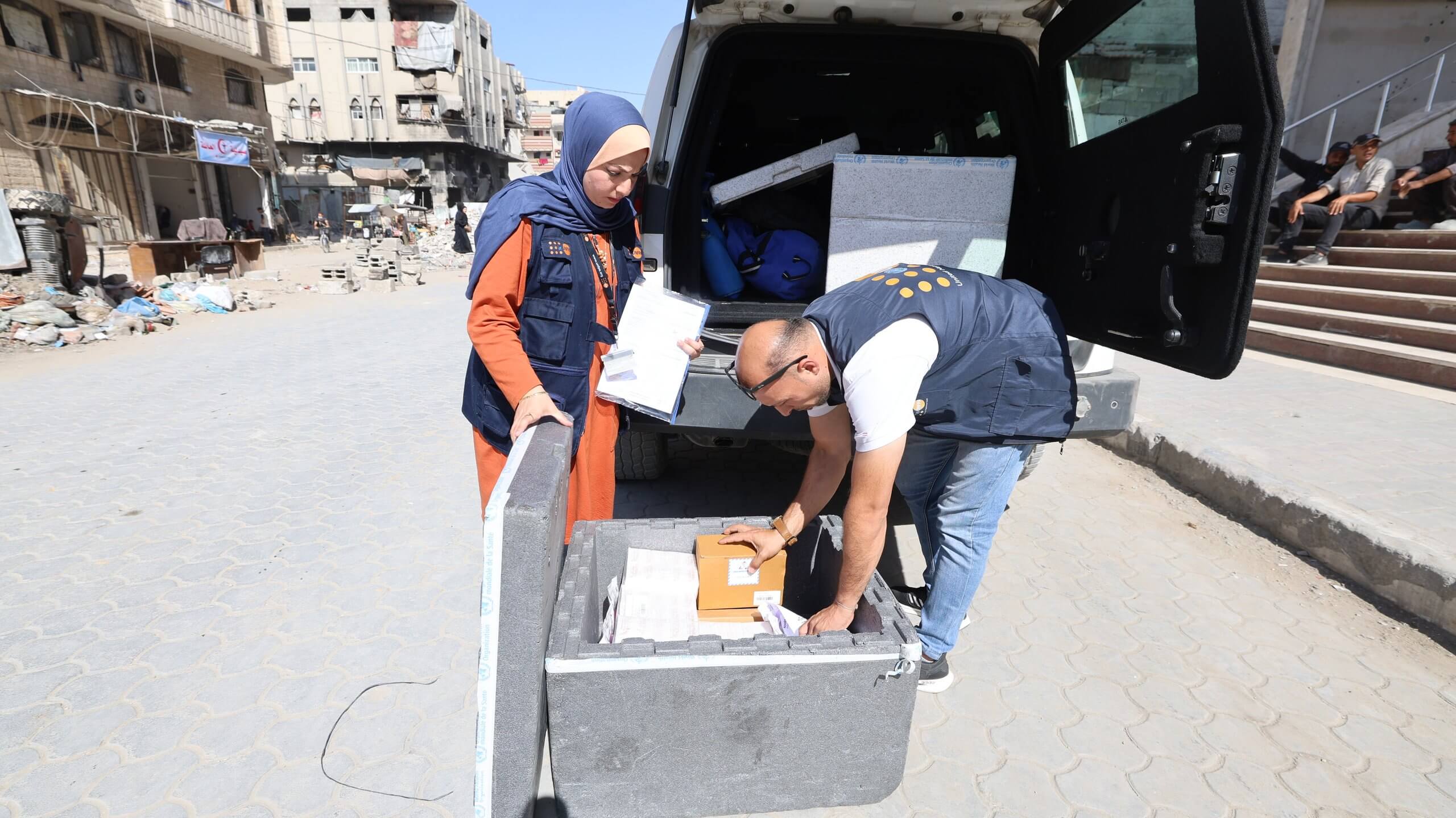
But despite all the obstacles, nothing has stopped UNFPA’s work. Across Gaza and the West Bank, UNFPA midwives, counselors, and local aid workers have stayed—keeping clinics, safe spaces, and youth centers open, moving supplies to the hospitals still standing, and reaching those displaced with Dignity Kits and emergency care via mobile units.
In the opening months of 2026 alone, that effort reached an estimated 150,000 people with reproductive healthcare and another 137,000 through violence-prevention and youth programs.
Since October 7, 2023, UNFPA teams on the ground in Gaza have:
Distributed more than 70,000 Dignity Kits, which contain menstrual products, to displaced women and girls
Delivered more than 1 million services to women, girls, and families
Established dozens of maternity field hospitals and temporary clinics, and deployed midwives, so women can give birth safely
In Gaza City, Khan Younis, and Deir al-Balah, women and girls can reach counseling, case management, legal aid, maternal and menstrual supplies, and emergency cash assistance. This same support also helps ease the pressures that push families toward child marriage and other harmful ways of coping.
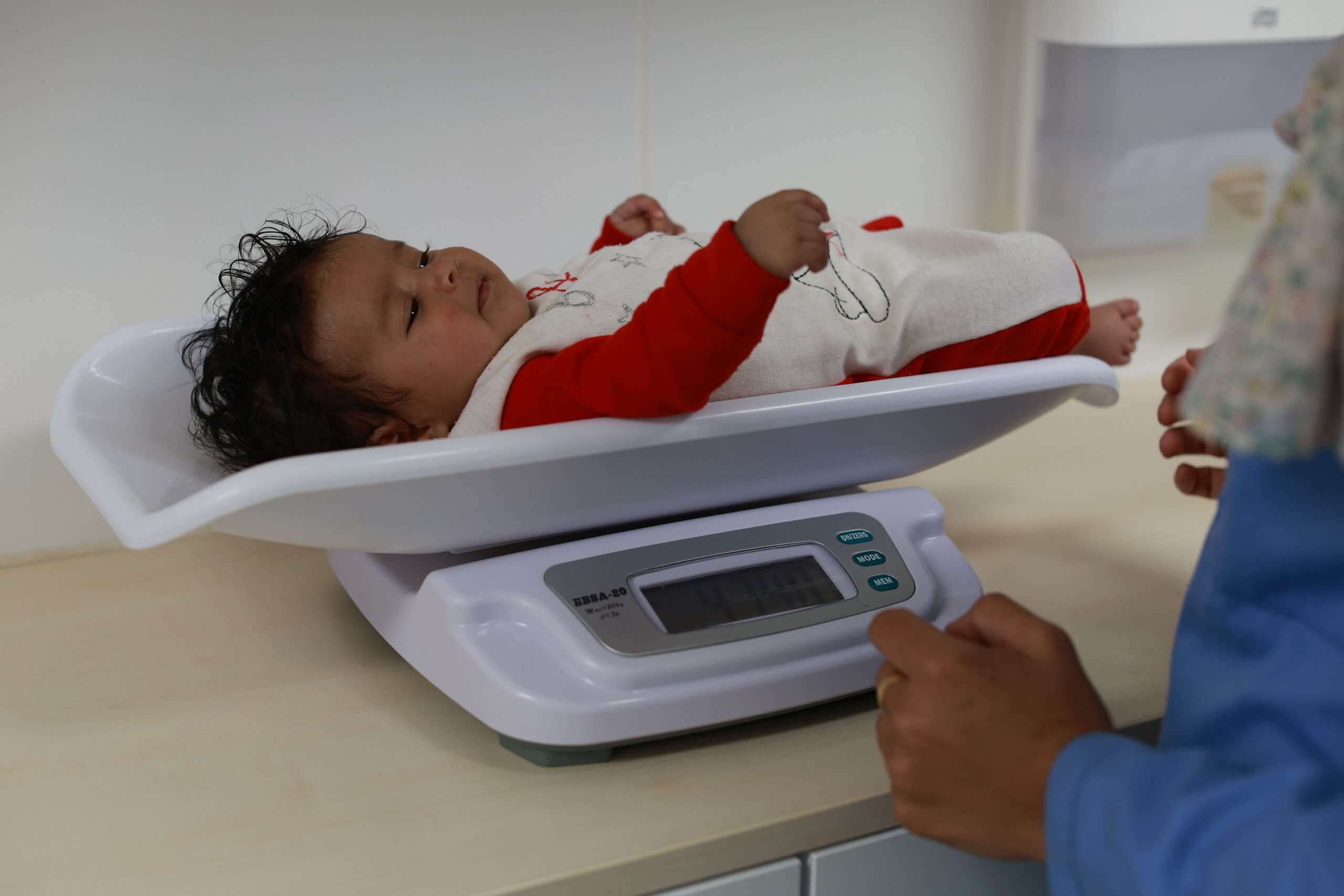
For pregnant women, this lifesaving care looks like delivery beds, fetal monitors, and incubators reaching the hospitals still standing, and skilled midwives on hand to take care of them when a baby arrives.
For families surviving another winter in a tent, it looks like warm supplies arriving before the cold sets in.
But it is not enough. The need keeps outpacing what reaches Gaza, and the ceasefire remains fragile. But every clinic kept open and every woman reached is proof of what support makes possible.
How you can help
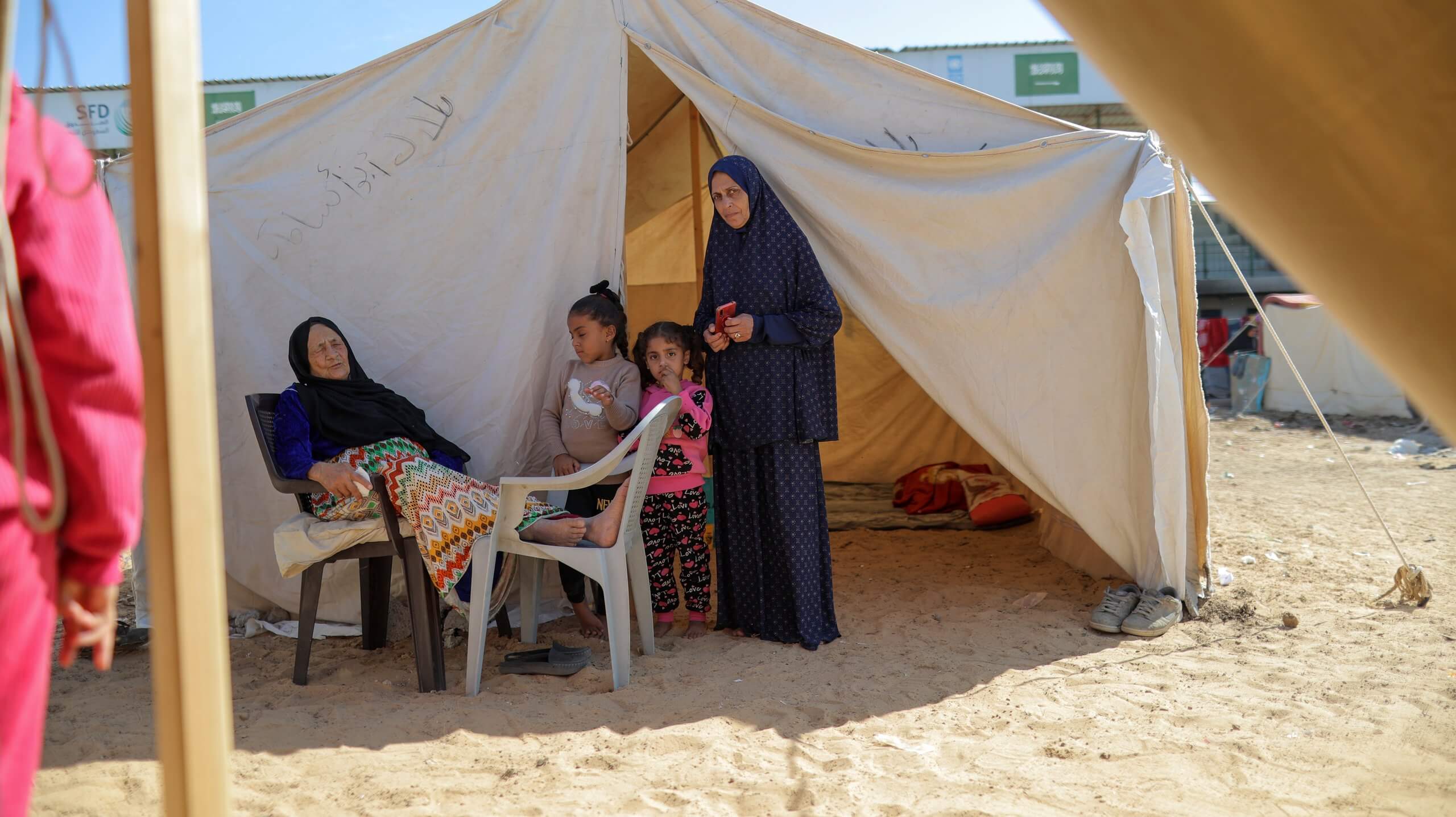
Three years on and hundreds of thousands of women and girls in Gaza are still going without critical care. Your generosity reaches them directly through a safe space where a survivor is believed, a UNFPA Mama Kit handed to a new mother returning home to a cold tent, and a mobile maternity care unit that’s there when a pregnant woman needs it most.
Make a gift today for women and girls in Gaza and those surviving crises around the world.
After all this loss, peace must prevail. We condemn the violence in Gaza, the West Bank, and Israel and echo the UN Secretary-General’s call for the ceasefire to become permanent, for all parties to implement their commitments in full, and for humanitarian assistance to be allowed at scale.